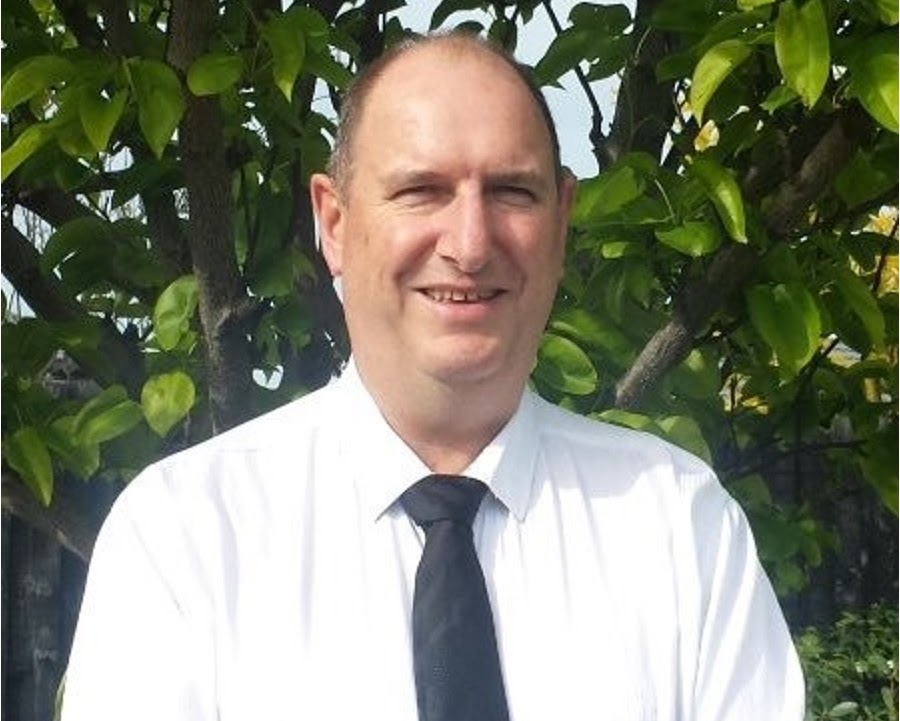
Statistics educators from across Aotearoa once again gathered for an energising and informative day of professional learning. A theme of “signal versus noise” threaded through the programme, encouraging teachers to reflect on how technology, curriculum changes, and professional pressures can either amplify learning or obscure what really matters in their teaching. Dave Phillipps (Lincoln High School, University of Canterbury, NZAMT President) set the tone perfectly in the first keynote. Drawing on more than three decades of experience in mathematics and statistics education, Dave explored the metaphorical noise teachers face, including curriculum changes, media commentary, union action, and shifting ākonga needs. At the end of a big year marked by significant change, Dave helped teachers reframe change as something navigable rather than overwhelming. Many attendees described Dave’s address as just what I needed, noting that Dave’s perspective helped them refocus on the fundamentals rather than feeling swept up in external pressures. Teachers found Dave’s message uplifting, pragmatic, and a powerful reminder to hold onto teaching and learning practices that work for them and their ākonga, rather than discarding what works well for their students in the face of constant change.
The first session offered eight diverse workshops for around 200 teachers and pre-service teachers. Participant feedback praised the variety of workshops, from technology-rich sessions about using generative AI and real-world data to curriculum-focused deep dives and ideas for selecting technology, promoting creativity, designing assessment tasks, and supporting statistical report writing. Participants commented on the highly engaging workshops, where presenters model best practice and share practical, useful ideas and well-designed activities, and the kind of active learning teachers could use in their classrooms next year. Aotearoa is extremely fortunate to have a wealth of statistics teachers at the top of their game, who generously give up their time to support others. These are the teachers who will lead and mentor the evidence-based, technology-savvy students of the future, whom we will need to help solve some of our more pressing societal, environmental, and industrial problems. We also had international statistics educational specialists, like Professor Shuga Koda, joining us again, because there is nothing like this conference in Japan.
The lunchtime discussion groups allowed participants to explore current and emerging challenges, as well as the opportunities and risks that accompany them. Including the redesign of the Year 9–10 curriculum, senior assessment, the application of AI in statistics teaching, and planning for the new Year 11–13 subject structure. The opportunity to discuss these changing landscapes was described as affirming, timely, and extremely supportive, especially given that new subject descriptors were released during the discussion sessions, which caused some minor disruption.
Eight additional workshops continued the momentum in the afternoon, highlighting the use of CODAP, a free online data analysis platform, and activities for investigating probability by blending physical experimentation with digital analysis, as well as considering paradoxes. Additional sessions centred on generative AI use for marking assignments, and on writing and pedagogy, including strategies for statistical reporting and ideas for embedding learning. Teachers described these workshops as confidence-boosting, immediately useful, and incredibly relevant, and praised presenters for their clarity, adaptability, and cultural responsiveness. We were also fortunate to have representatives from Stats NZ join us to explain how and what changes to the national census will mean for the public and private sectors in Aotearoa. Statistics educators were eager to share with students how these changes challenge public trust, but also reduce costs and provide more timely access to data insights.
Just as we can’t assume ākonga are digital natives, for example, they still need to be taught shortcuts like CTRL+F and CTRL+Z!, feedback from teachers highlights a pressing, ongoing need to upskill our teachers in technology for teaching and learning.
Thank you, I thoroughly enjoyed this day. I will utilise new tools and try to engage students more with data. The tools in the final showcase were brilliant, and none of them I had heard of. :) Things to try in the holidays.
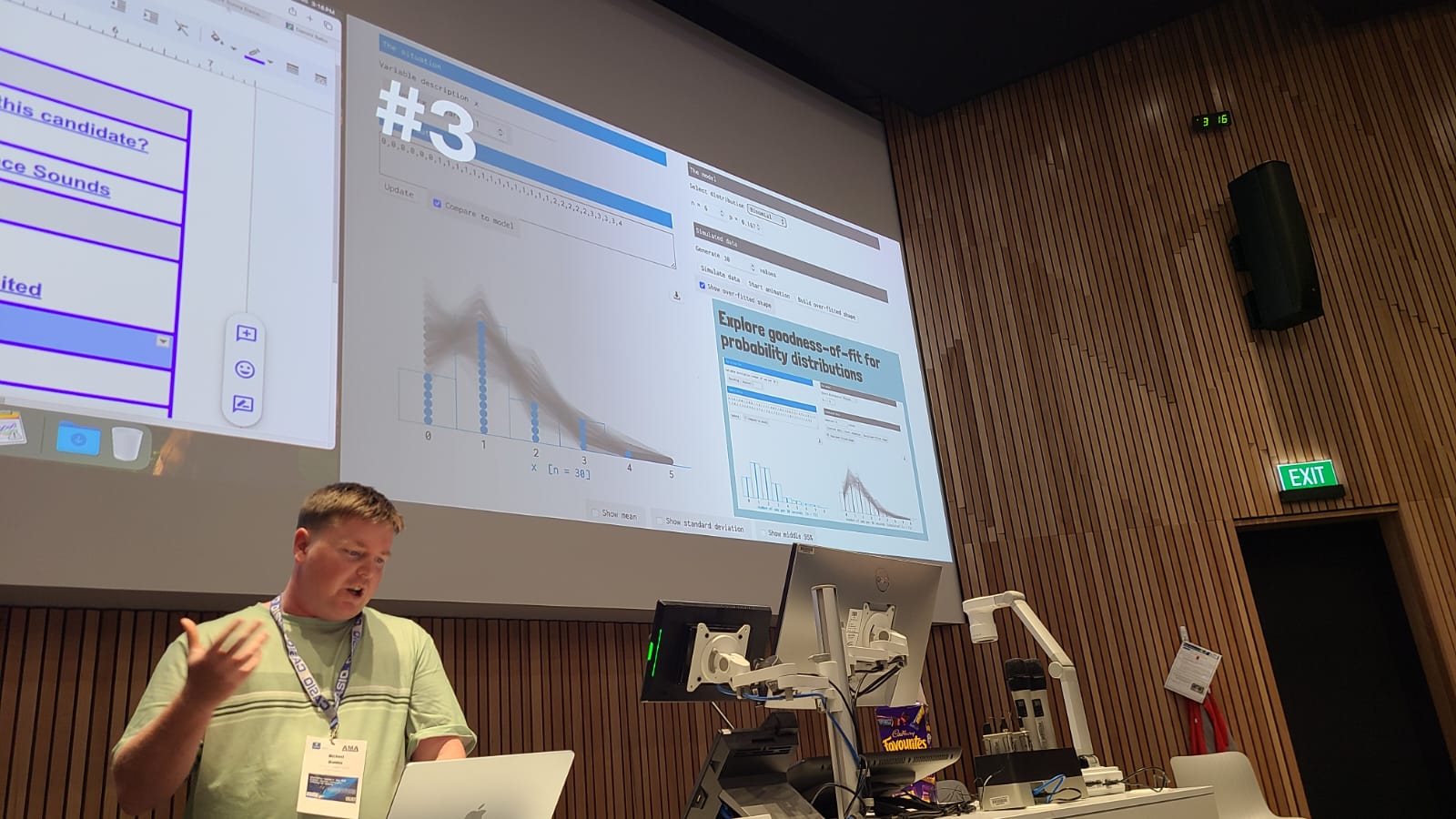
In the final keynote, Michael Walden (Mount Albert Grammar School) counted down his top ten technology tools and explained how he incorporates technology into his statistics classroom. You can watch Michael’s talk on Youtube. The statistics departments’ SCAMPY, Pachinogram, and several apps developed and shared by Anna Fergusson on her Teaching Statistics is Awesome Blog feature in Michael’s list. These tools highlighted the need for University educators to work closely with classroom educators. Michael’s insightful commentary and expert demonstrations showed teachers how digital platforms can enhance students’ conceptual understanding of complex probability and data-based concepts. Michael’s energising end-of-day talk was appreciated by all. Feedback about Michael’s session included engaging, packed with new ideas, and a brilliant way to finish.
The new Arts & Education venue was well received, and the event’s strong organisation, led by the Statistics department’s statistics education specialists and the Auckland Mathematics Association, provided attendees with a warm atmosphere, practical focus, and plentiful opportunities for networking that were greatly appreciated. Participants also appreciated the opportunity to learn alongside like-minded colleagues, with some describing it as one of the best conferences they had attended. Overall, the 2025 Statistics Teachers’ Day successfully embodied its theme: cutting through the noise, amplifying what matters, and empowering teachers to explore the possible, probable, and potential of technology-enhanced statistics education.